
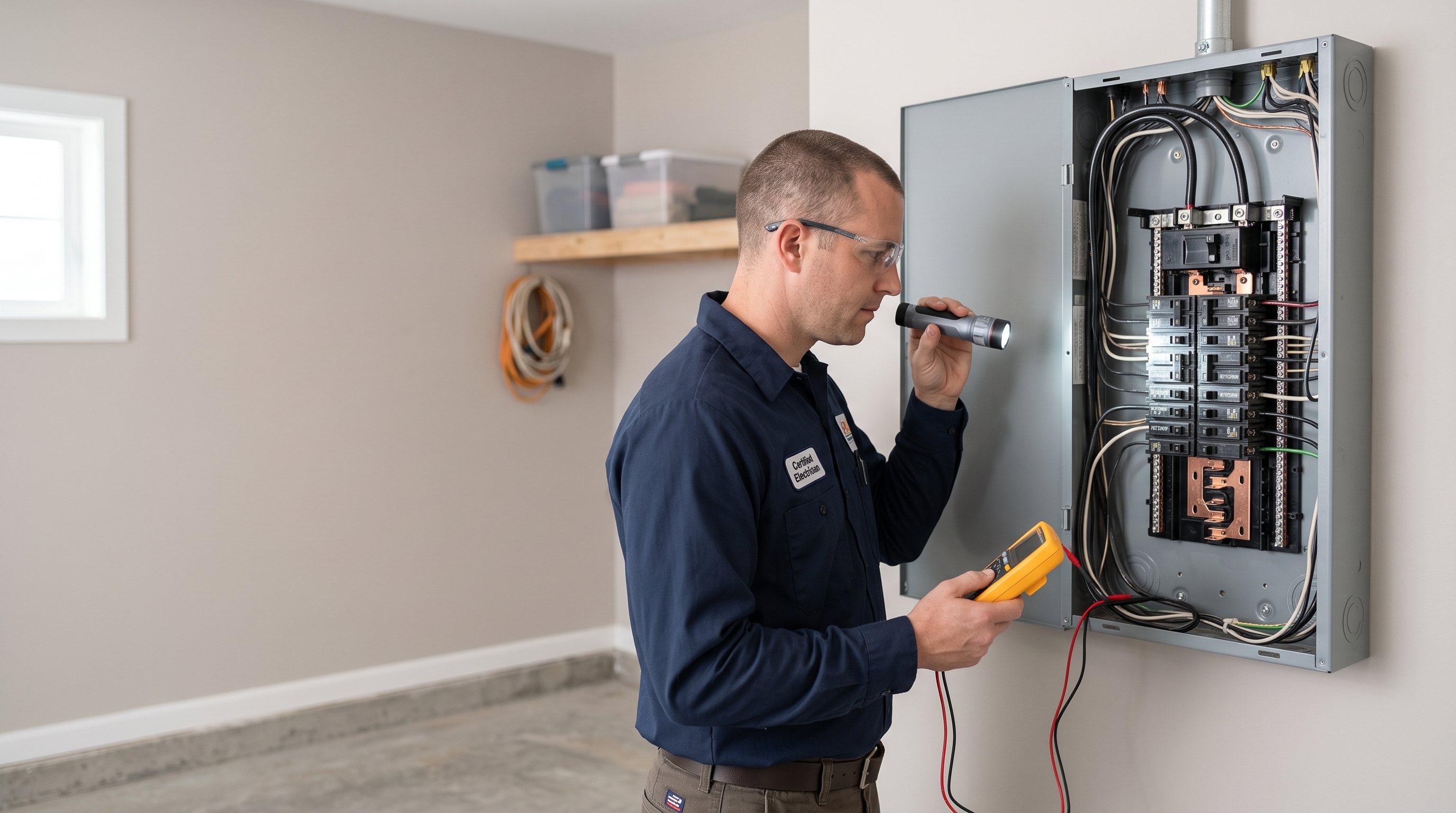
Not every electrical panel problem means the panel needs to be replaced. The decision depends on the panel’s age and condition, the home’s electrical demand, the type of problem, and whether the existing system can safely support the home. Understanding the warning signs can help you decide whether to repair, upgrade, or replace the panel.
How Old Is Your Electrical Panel?
Age alone doesn’t determine whether an electrical panel needs replacement, but older panels may have outdated components or limited capacity. If you don’t know when the panel was installed, a qualified electrician can inspect it and explain its condition and capabilities.
What Are the Warning Signs?
Signs of a potentially serious panel problem can include frequent breaker trips, unusual heat, burning smells, buzzing or crackling sounds, visible damage, rust, or discoloration. These symptoms should be evaluated by a qualified electrician rather than ignored or treated as a DIY repair.
Does Your Home Need More Electrical Capacity?
A panel may need an upgrade if your home’s electrical demand has increased beyond what the existing system can safely support. Adding major equipment such as an electric vehicle charger, air conditioning system, heat pump, or other high-demand appliances may require an electrical load evaluation. See 100 Amp vs 200 Amp Electrical Panel for how that capacity decision typically plays out.
Can the Panel Be Repaired Instead?
Some electrical panel problems can be addressed without replacing the entire panel. A qualified electrician may be able to replace a damaged breaker or correct another limited issue. However, if the panel itself is obsolete, damaged, unsafe, or unable to meet the home’s electrical needs, replacement may be the more appropriate solution.
When Replacement Makes More Sense
Replacement may make sense when the panel has serious damage, is outdated, lacks sufficient capacity, or has recurring problems that cannot be reasonably addressed with a simple repair. The electrician should explain why replacement is recommended and what alternatives, if any, are available.
Consider the Cost of Replacement
Before replacing the panel, ask for a clear estimate of the total project cost. Consider the panel itself, labor, breakers, permits, inspections, grounding and bonding, and any additional electrical work. Comparing the complete cost helps you understand whether the recommended upgrade provides reasonable value. See How Much Does an Electrical Panel Replacement Cost? for typical price ranges.
Get a Professional Evaluation
Electrical panels can present serious safety risks, so diagnosis should be handled by a qualified electrician. If you’re unsure whether replacement is necessary, ask for an explanation of the problem and the recommended solution. For a significant expense, getting a second opinion can also help — and knowing what to ask before hiring an electrician makes that second opinion more useful.
Questions to Ask Before Replacing Your Electrical Panel
- Why does the panel need to be replaced?
- Can the existing panel be repaired instead?
- What size and type of panel is recommended?
- Does the home need more electrical capacity?
- Are breakers and other components included?
- Are permits and inspections included?
- Could additional wiring or electrical work be required?
- What warranty covers the panel?
- What warranty covers the installation?
Watch for Red Flags
- Replacement is recommended without a clear explanation
- The estimate doesn’t identify the new panel or its capacity
- Additional electrical work isn’t clearly explained
- Permits and inspections aren’t mentioned
- You’re pressured to approve the work immediately
- You aren’t given a written estimate
Finish With the Next Step
Don’t replace an electrical panel simply because it’s old. First determine whether there is a safety problem, a capacity issue, or another condition that actually requires replacement. Get a clear evaluation and compare the complete cost of repair versus replacement before making your decision. See How to Compare Electrical Contractor Estimates once you’re ready to get quotes.
Before You Fix, know whether it’s a repair, a capacity problem, or a genuine safety issue — the panel deserves the right diagnosis before the right decision.

Leave a Reply