
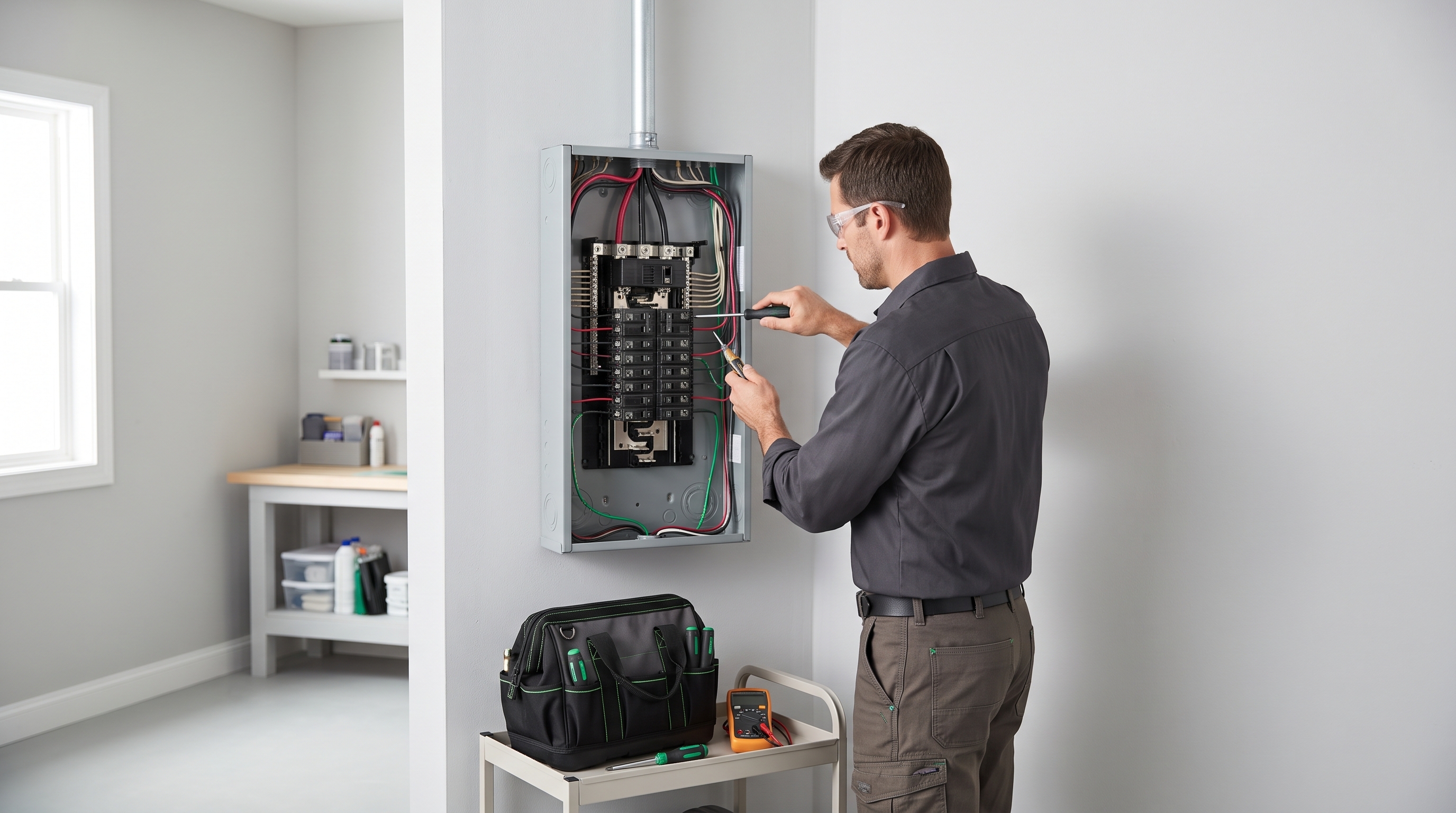
Replacing an electrical panel can be a significant home expense, and the total cost depends on more than the panel itself. According to 2026 industry cost data, a straightforward like-for-like panel replacement (same amperage, no service change) typically runs $1,200 to $3,000. Upgrading from 100-amp to 200-amp service — the most common panel project — generally costs $1,800 to $4,200 installed, though this can climb significantly higher if new service entrance wiring, a new meter base, or utility coordination is required.
Understanding what goes into the project can help you compare estimates and avoid surprises — but first make sure replacement is actually the right decision.
Typical Cost by Project Scope
Based on 2026 national cost data:
| Project Scope | Typical Installed Cost |
|---|---|
| Like-for-like panel replacement (100A) | $1,200 – $2,500 |
| Like-for-like panel replacement (200A) | $1,500 – $3,000 |
| 100A to 200A service upgrade | $1,800 – $4,200 |
| Full service upgrade (new meter, mast, utility coordination) | $3,000 – $8,000+ |
| Subpanel addition | $500 – $1,200 |
| 400A service (large homes, heavy EV/solar loads) | $4,000 – $9,000+ |
These figures reflect a range across multiple 2026 industry sources (This Old House, Angi, HomeGuide, and specialty electrical cost guides), and the spread is wide because panel projects vary enormously based on your home’s existing wiring, age, and what the utility company requires. Permits typically add $100 to $500 on top of these figures and should appear as a separate line item on your estimate.
Why Is There Such a Big Range?
The panel itself is often a small fraction of the total cost. What actually drives the price is whether your home’s service entrance wiring, meter base, and grounding are already adequate for the new capacity, or whether they need to be replaced too. Homes built before 1980 with original electrical service are more likely to need the fuller, more expensive scope. Homes built after 1990 with service entrance wiring already rated for 200 amps, but only a 100-amp panel installed, are often candidates for the simpler, less expensive upgrade path.
Ask your electrician directly: “Is this a straightforward panel swap, or does the service entrance itself need to be upgraded too?” That single question explains most of the price variation you’ll see between quotes.
What Affects Electrical Panel Replacement Cost?
The cost can vary depending on the size and type of panel, the home’s existing wiring, and how much work is required to complete the replacement. Labor, permits, accessibility, grounding and bonding requirements, and any necessary repairs or upgrades can also increase the total.
Why Might You Need a New Electrical Panel?
An electrical panel may need replacement when it is damaged, outdated, undersized for the home’s electrical demand, or no longer provides enough capacity for planned upgrades. Frequent breaker trips, overheating, visible damage, or other signs of electrical problems should be evaluated by a qualified electrician rather than treated as a simple upgrade. See Do I Need to Replace My Electrical Panel? for the fuller picture of when replacement actually makes sense.
Does the Home Need More Electrical Capacity?
If you’re adding major electrical loads such as an electric vehicle charger, heat pump, air conditioning system, or other high-demand equipment, the existing panel may not have enough capacity. An electrician can evaluate the home’s electrical load and determine whether a panel replacement or another solution is appropriate. See 100 Amp vs 200 Amp Electrical Panel for how that capacity question is usually resolved.
What Should a Panel Replacement Estimate Include?
A clear estimate should identify the new panel, its capacity, and the work required for installation. Check whether the price includes removal of the old panel, labor, permits, grounding and bonding, breakers, wiring changes, inspection, and any other required work. Ask the electrician to explain anything that isn’t clear.
Will Other Electrical Work Be Required?
A panel replacement can uncover other issues with the home’s electrical system. Older wiring, damaged components, inadequate grounding, or other code-related work may need to be addressed. Ask what additional work is required and whether it is included in the estimate or would be billed separately.
Compare More Than One Estimate
For a major electrical project, getting two or three estimates can help you understand whether the price is reasonable. Give each electrician the same information and compare the panel, scope of work, permits, warranties, and total installed cost rather than choosing based only on the lowest price. See How to Compare Electrical Contractor Estimates for a fuller method, since hiring the right electrician matters as much as the panel itself.
Questions to Ask Before Replacing the Panel
- What size and type of panel is being recommended?
- Why does the panel need to be replaced?
- Is the existing wiring suitable for the new panel?
- Is grounding and bonding included?
- Are permits and inspections included?
- Are new breakers included?
- Could additional electrical work be required?
- What warranty covers the panel?
- What warranty covers the installation?
An electrical panel replacement affects an important part of your home’s electrical system. Make sure you understand why the replacement is needed, what work will be performed, and what the total project will cost before approving it.
Get a Professional Evaluation
Panel problems can involve electrical hazards, so diagnosis and replacement should be handled by a qualified electrician. If you’re unsure whether replacement is necessary, ask for an evaluation and a clear explanation of the recommended work. For a major expense, a second opinion can also be useful.
Finish With the Next Step
Before approving an electrical panel replacement, make sure you understand why the panel needs to be replaced, what capacity and equipment are being installed, and what the total project includes. Compare estimates from qualified electricians and make sure required permits, inspections, and related electrical work are accounted for.
Before You Fix, know what a real panel replacement estimate should include — vague pricing on electrical work is the easiest way to get an unsafe or incomplete job.

Leave a Reply